

Improvise, Adapt, and Overcome: What Buyers, Builders and Investors Need to Know
November 20, 2026
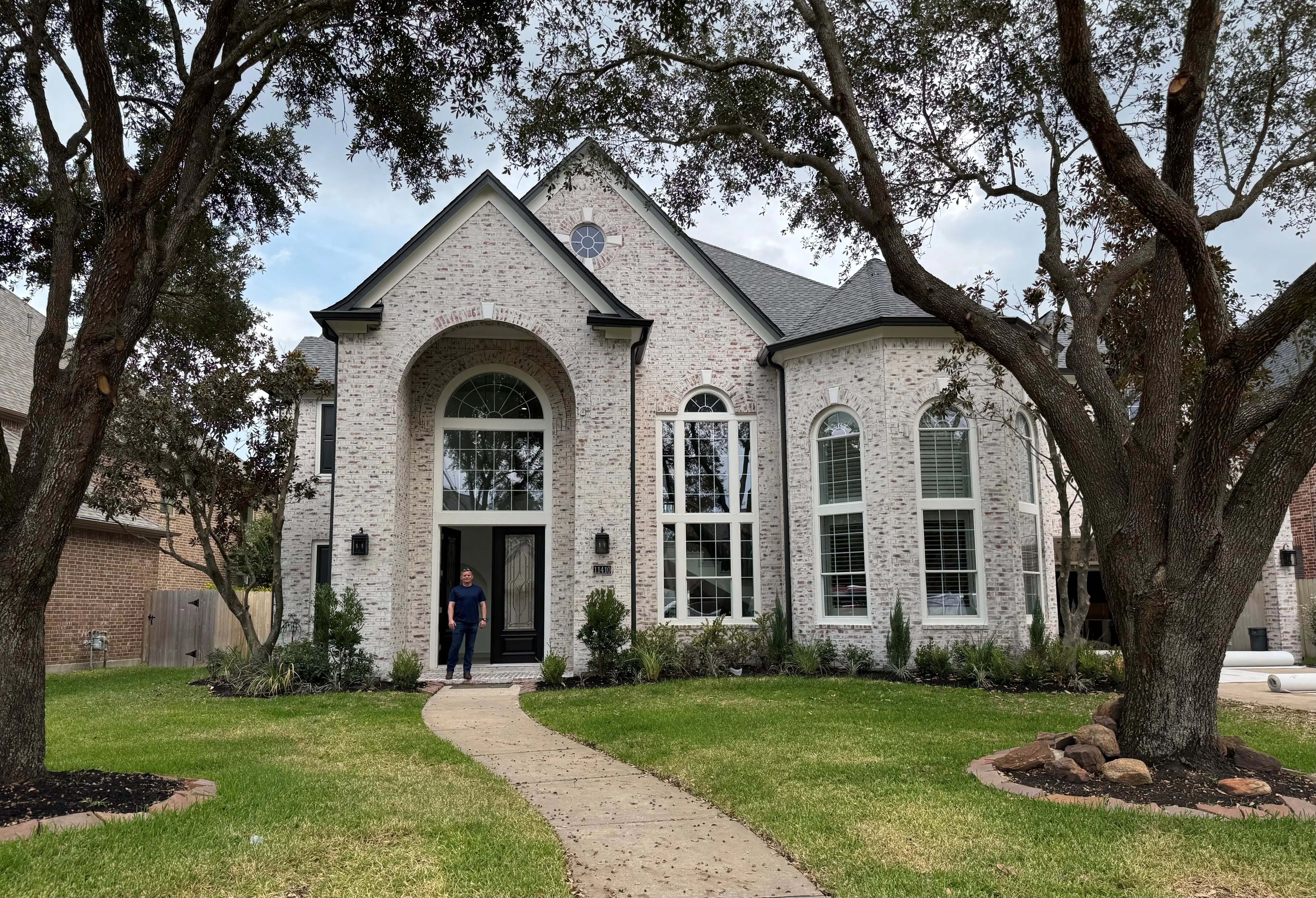
The home sales market has slowed down this year, as you have probably noticed. The Covid peak years of 2020 and 2021 were great for home appreciation, when FOMO, or Fear of Missing Out, meant buyers were putting in offers over asking price just to get a chance at best and final. One builder I know had every lot in his inventory under contract and it would take him 18 months to build all those new homes. Ah, the good old days.
What’s happening now?
San Antonio’s average home price reached $365,247 in October, down from $377,040 a year ago. Sales volume also declined 5.5% over the year. According to SABOR, there is 6 months of supply which is a balanced market between buyers and sellers. It had been as little as 2 months a few years ago. So, prices are down and volume is down. For the national market, the Wall Street Journal reported on November 13th, “Home sales declined in October to their lowest level since 2010, a new trough for a housing market that has been hovering near rock bottom for more than four years. Sales of existing homes fell 5.5% …” But prices have largely leveled off as mortgage rates have frozen demand. Nationally, we have an odd combination of record sales prices coupled with higher mortgage rates. Before the pandemic, 5 million sales per year was the average, however, Goldman Sachs projects only 3.9 million in 2027. It hasn’t been below 4 million since 1995.
However, San Antonio continues to grow with nearly 40,000 new move-ins in 2025, down from an average of 55,000 annually between 2022 and 2024.
Housing Market and New Construction Starts
New construction starts are not terrible. San Antonio is fourth in the top 25 metros with 15,531 home starts over the past 12 months, but that is down 15%. Dallas was #1, Houston #2 and Austin was #6, so the Texas Triangle dominated homebuilding nationally.
It is more than interest rates playing on the housing market. Gen Z represents about 20% of the U.S. population. When shopping for a new home, they are highly likely to have done a lot of research through social media, before ever driving by or scheduling a tour of a for-sale home. However, to buy a new home they have to struggle with college loans, low credit scores and lack of a down-payment. Getting down-payment assistance from their parents or grandparents is now very common.
The buying trends of the various generations is quite a bit different. Baby Boomers, born between 1946 and 1960 generally own their own homes and may have paid off their mortgage. Many are opting to stay in place longer than previous generations, even living solo after the passing of their spouse, but they are living longer too. As the older generation begins to diminish in size, those homes will come to market, helping add to the supply of existing homes.
First Homebuyers and Personal Debt
The 30-year mortgage has increased in the past year from 6.05% to 7.3%. That means the monthly payment last year for a $425,000 home will only afford this year a $390,000 home. Then, we have to consider personal debt, like credit cards and mortgages. This is known as the debt-to-income ratio, or just how much monthly income do you have left to pay for household expenses after you pay the mortgage, car loans, student loans and credit cards. In 2019 2/3rds of home buyers had monthly debt payment less than 43% of their incomes, but by 2025, the percent of home buyers who could qualify for a home loan, if the mortgage company was willing to allow them to go up to 43% of monthly income in loan payments shrank, to 57%, a 9% drop. So, mortgage payment have gone up but so has overall indebtedness and payments on those loans. The good news is that homebuilders are buying down mortgages to 4.9% and even 3.9% to make the monthly payments work for the homebuyers.
This has an impact on retail sales too, because each home sales generates about $8,700 in consumer purchases, like appliances, furniture and home improvement products to spruce up the older home you just bought. Then, we have the demographic trend that first time home buyers are delaying their first purchase to much later in life. Maybe because they need more time to save up their down payment, and maybe it is because folks are waiting longer to marry and start a family. Ten years ago, the first timer was about 30 years old, but now they are about 40 years old. Huge shift.
Real Estate, Your Largest Investment
Another significant factor impacting home buying is how folks feel about their home as an investment. It is common wisdom that owning your home is your largest single investment and should be a source for building up your wealth over your life span. While there have been a few bumps along the way, home values generally increase at or above the rate of inflation. Over the past 50 years, San Antonio home values have risen about 5.5% per year, with down years only in the Savings and Loan Crisis of the late 1980’s and a little backsliding in the 2008-2010 Financial Crisis. There was a 20% spike in 2021 and 13% the following year in the Time of Covid, spurred by super low interest rates and government programs. Now we are seeing those gains tighten to 1% for 2022-2025, and a 1% decline the past year, according to the US Federal Finance Agency.
So, first-time home buyers are not seeing a new home as a great investment today, like they did a few years ago. They may see the stock market as a better wealth builder, as it has been the past three years. Some prefer to invest in cryptocurrency, but that has been a real roller coaster. Maybe, the down payment they were saving up evaporated in one of the crypto crashes. And, then online gambling and the ‘predictions marketplace’, like Kalshi and Polymarket, have become huge. A year ago their combined volume of trading was about $5 billion a month. In August it had quintupled to over $25 billion per month. That is gambling money that is not going into long term investing in your own real estate.
The highly respected Emerging Trends report, published annually by PwC and Urban Land Institute had this to say. “The year 2027 is shaping up to be a challenging one for the single-family housing sector, as higher mortgage rates, increasing construction costs, and weak consumer confidence creates headwinds to home-buying demand. These headwinds are not new, and builders are adjusting their internal and external strategies. At this point in the cycle, new trends often emerge as builders adapt to affordability challenges and a slower market.” On November 2nd, the voters voted for better “affordability.” We see the FED’s trend in raising interest rates is not going to help affordability, though they think that higher borrowing rates will lower costs. I still can’t square that reasoning. The report concludes, “strong execution of the right strategies could differentiate builders and create opportunities for outperformance.”
Improvise, Adapt, Overcome
I learned many things in the Marines, including good decision making under pressure. One lesson is capsulated in the phrase: Improvise, Adapt, Overcome. Essentially, orient to your surroundings and figure out, where you are and what resources you have at hand to move forward, to accomplish your mission. Then, be willing to set aside preconceptions and habits that no longer are useful to your new situation, freeing yourself from past routine that no longer works in your present circumstances. Next, adapt to your situation as you see it now. Then, utilize your resources and new perspective to overcome the obstacles in front of you and move past them to your goals ahead.
This will be the resilient attitude of the home builders who will be successful in the coming years, just as it is the attitude adopted by the home builders in the past who have succeeded through repeated up and down cycles.
So, the Texas Triangle of San Antonio, Austin, Houston and Dallas is still the strongest housing market in the country, and we are wading through this slow period. As always, those who find new ways and means to work through difficult times are in the best position to profit when the market moves upward again. Success is born in adversity.