

From Boom to Reset: The New Reality Facing Texas Real Estate
May 13, 2026
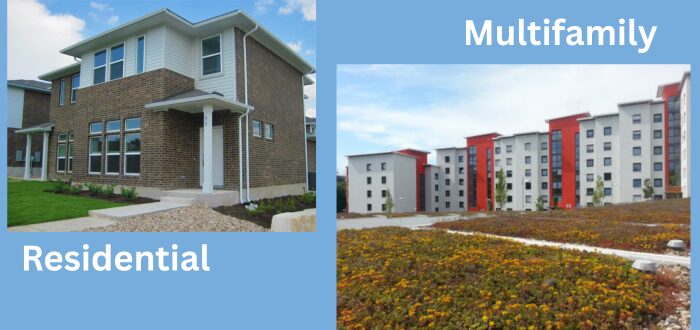
Since the Buying Season for homes should be in full bloom in May, let’s look at housing this month.
Single-Family Housing
Single family home buying suffered last year, because of interest rates that home buyers saw as being too high. The problem goes back to the Time of Covid, but, more specifically, how the Federal Reserve responded to the crisis. As we all know, they lowered interests to essentially zero to stimulate the economy in that time of great stress. Huge injections of cash by the government into the system also helped prevent a breakdown, however, they went way too far.
Inevitably, all this cash and free money overstimulated the economy, and with so many relocations between states due to social distancing and Work From Home, the real estate market exploded. Because mortgage money was cheap, the home builders could make more money and build more expensive homes. Then, when the FED finally decided 9% inflation wasn’t “transitory” but “sticky” they went on the most aggressive rate hike program in history. This violent whipsaw in the mortgage market is still being felt today. I am sorry, but when the smartest guys in the room make such obvious mistakes, are they really the smartest guys?
Home sales that surged so dramatically have now fallen back to the pace we last saw during the Great Financial Crisis of 2008 and 2009. The monthly payment on a median priced home is up 51% since 2021, to $3,090, while apartment rent is up 13%, according to Marcus and Millichap. New home builders are mostly seeing some increase in buyers, but it is not robust and certainly the post-Super Bowl Buying Season, is now delayed until after the Post Iran Conflict Season. Also, first time home buyers are waiting longer.
In 2010 the average age was 30, but now it is more like 40 years old. Affordability is very relative. San Antonio’s median home is $300,000, while Austin is $412,000, Dallas is $388,000 and Houston is $345,000. All the Texas metros have seen declines in home prices with Austin seeing the most at over 3.5% price reduction. To try to bring sales volume back, new home builders are adding fewer amenities, building on smaller lots and buying down mortgages to 3.99%, all of which cut into their profit margins. Construction costs, which have sky rocketed have come down somewhat, though. Land prices have remained stubbornly high.
New Homeowner Sentiment
New home buyers are uneasy about their job stability considering AI, about the war, about inflation and monthly payments. Consider that new homes are at the edge of the city and so first-time homeowners feel the greatest impact of high gasoline prices on their already strained budgets. The general uncertainty certainly puts a lid on what builders hoped would be a blooming spring buying season. San Antonio has the distinction of leading the nation in home contracts that fell through in February and March. It’s a Buyer’s market with lots of choices.
From a recent Wall Street Journal issue, we read that the Texas Triangle, including San Antonio, scores high on spots where recent college graduates can find attractive jobs, with good pay in affordable locations. This indicates companies are increasing their hiring for entry level positions, and grads are willing to relocate to the Sunbelt for good opportunities. Then, foreclosures hit a six-year high largely due to rising property taxes and insurance costs. We are actually getting back to the pre-covid level of foreclosures, despite the low interest rates home buyers got a few years ago. Insurance costs are up 12% in the past two years, while taxes are up at least 3% putting real stress on home owners’ budgets that worked fine a few years ago before these expense increases.
Multifamily
Then, there are apartments, (sigh). San Antonio has nearly the highest vacancy rate of all major U.S. cities, at about 16%, but Austin and Denver are right in there. This is due to over-building in the Time of Covid but Austin out-did us in new construction by over 10,000 new units.
The new apartments will fill up because the developers will drop their rents and give incentives, as they must refinance out of their construction loans. Older properties then lose tenants to these newer units and so on. Over 70% are offering incentives and foreclosure of older Class C properties is a real problem, especially if they stop paying their water bills. You can’t pay your mortgage, pay sky high insurance bills and make repairs when you are below 85% occupancy.
The Texas Triangle in May has over $1-billion in foreclosures posted, mostly apartments. This is a 72% increase from last May, according to the Roddy Foreclosure Report.
This cycle must simply play out, because it takes about two years to build a new multifamily project, and apartment construction lenders, mostly community banks, shut off the tap last year. So, this will continue to be a year of pain for multifamily that won’t improve until next year. But then, in the latter part of 2027, because we have been in a new construction desert for two years, new supply drops to nearly zero and occupancy will probably move back up to 95%.
And then we start all over again. This rodeo is more than an 8-second ride!